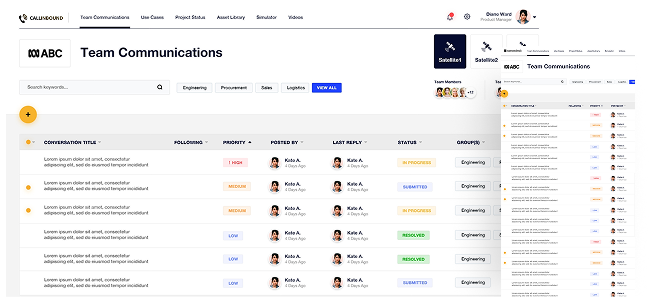
Auto repair shops invest heavily in marketing to make the phone ring — but many still lose revenue at the moment that matters most: the call itself. In 2026, growth is no longer driven by more ads alone, but by how well shops answer, manage, and convert inbound phone conversations.
Phone calls generate the strongest buying intent for auto repair shops. Here’s how modern business phone systems and AI call analytics improve booking rates—and how platforms like Call InBound transform everyday calls into trackable ROI and booked appointments.

Why are phone calls still the most valuable lead for auto shops?
Auto repair has changed, but one thing hasn’t: the phone call is still where trust is built and money is made.
Most customers don’t book engine diagnostics, brake repairs, or transmission work through a form. They call. They want to hear a real person. They want reassurance. They want answers now.
Yet many shops invest heavily in Google Ads, SEO, and social media — then lose the sale on the phone.
Missed calls. Rushed conversations. No tracking. No accountability.
That gap is where growth quietly leaks away.
More ads don’t fix a broken phone process. Better phone systems do.
What makes phone calls different from other marketing leads?
TL;DR: Phone calls signal high intent — callers are closer to booking than website visitors or social media leads.
When someone calls an auto shop, they’re usually dealing with a real problem:
- A warning light is on
- The car won’t start
- A repair estimate is needed now
This is not browsing behavior. This is decision-stage behavior.
That’s why phone calls:
- Convert at a higher rate
- Lead to larger ticket jobs
- Create stronger long-term customers
But only if the call is handled correctly.
What is a business phone system for auto shops?
A modern business phone system does more than ring — it tracks, routes, records, and analyzes every customer conversation.
A true auto-shop-focused phone system is not the same as a basic VoIP line.
A modern system helps shops:
- Answer calls faster
- Route customers to the right person
- Block spam and robocalls
- Record and review conversations
- Measure call performance
- Connect calls to marketing sources
This is where platforms like Call InBound stand apart. They are built specifically for how auto shops operate, not generic office environments.
Why do auto repair shops lose so many inbound calls?
Most lost calls aren’t caused by bad staff — they’re caused by poor systems.
Common problems include:
- Phones ringing while advisors are with customers
- No overflow or intelligent routing
- No visibility into missed calls
- No follow-up process
- No training based on real call data
The result is silent loss. No complaint. No negative review. Just a customer who never calls back.
How does call tracking help auto shops improve marketing ROI?
Call tracking shows which ads, keywords, and campaigns actually generate booked appointments.
Many shop owners know how much they spend on marketing — but not what actually works.
Call tracking connects the dots:
- Which Google Ads drive calls
- Which SEO pages generate phone leads
- Which campaigns waste budget
Instead of guessing, shop owners see:
- Call volume by source
- Answer rates
- Booking rates
This shifts marketing decisions from opinion to evidence.
What is AI call analysis for auto repair shops?
TL;DR: AI call analysis listens to calls at scale and turns conversations into clear performance insights.
Recording calls is useful. Understanding them automatically is powerful.
AI call analysis reviews conversations to identify:
- Missed booking opportunities
- Pricing objections
- Long hold times
- Script adherence
- Customer sentiment
Instead of listening to dozens of calls manually, shop owners see patterns instantly.
This is one of the biggest advantages of Call InBound — it doesn’t just store calls. It explains what’s happening inside them.
How does AI improve customer experience on the phone?
Customers don’t care about “AI.”
They care about speed, clarity, and confidence.
AI-powered phone systems improve experience by:
- Routing calls correctly the first time
- Reducing hold time
- Ensuring consistent answers
- Catching missed follow-ups
The customer feels heard.
The shop feels in control.
Can better call handling really increase appointments?
Yes — small improvements in call handling often outperform new ad spend.
A shop answering 70% of calls instead of 55% can see dramatic gains without spending a dollar more on marketing.
Better systems lead to:
- Higher answer rates
- More confident service advisors
- Clear next steps for callers
Conversion improves because friction is removed.
Case study: how one auto shop turned missed calls into booked jobs
A multi-bay independent repair shop was investing steadily in Google Ads and SEO but couldn’t explain inconsistent results.
Problems identified:
- High missed call rate during peak hours
- No insight into call quality
- No tracking between ads and phone calls
After implementing Call InBound:
What changed:
- Calls were routed based on availability
- Missed calls triggered alerts and follow-ups
- AI analysis flagged pricing hesitation patterns
- Advisors received coaching using real call examples
Results within 60 days:
- Missed calls reduced significantly
- Booking rate increased
- Marketing ROI became measurable
- Customer complaints dropped
No new ads.
No new staff.
Just better conversations.
Why digital ads alone won’t grow auto shops in 2026
Ads create demand — phone systems capture it.
Many shops think growth means:
- More ads
- Bigger budgets
- More traffic
But traffic without conversion is a waste.
In 2026, competitive advantage comes from:
- Faster response times
- Better call handling
- Measurable conversations
The phone is no longer just a tool.
It’s a performance channel.
How do phone systems support service advisors?
Good advisors want to succeed.
Systems help them do it consistently.
With modern phone tools, advisors get:
- Call recordings for self-review
- Clear benchmarks
- Reduced pressure during rush hours
- Better handoffs
This improves morale — not just metrics.
What should auto shops look for in a phone system?
Look for systems built for automotive, not generic offices.
Key features include:
- Call tracking by marketing source
- Intelligent routing
- AI-powered insights
- CRM and shop software integration
- Spam filtering
- Clear reporting
This is why auto-focused platforms like Call InBound matter. Context matters.
Ready to turn more calls into customers?
Ready to stop losing high-intent customers to missed or mishandled calls?
Discover how Call InBound helps auto repair shops turn every phone conversation into a measurable growth opportunity.
Book a free demo today and start converting more calls into booked appointments.
Frequently Asked Questions
What is the best phone system for auto repair shops?
The best system is one built for automotive workflows, offering call tracking, analytics, and integration with shop software — not a generic business line.
How does call tracking help auto shops?
Call tracking shows which marketing efforts generate real phone leads, helping shops invest in what actually produces revenue.
Are recorded calls legal for auto shops?
Call recording laws vary by state. Most systems provide compliance tools and disclosures to help shops stay within legal requirements.
Can AI really analyze phone calls accurately?
Yes. Modern AI can identify patterns, keywords, sentiment, and missed opportunities across thousands of calls with high reliability.
Do better phone systems reduce missed calls?
Yes. Intelligent routing, alerts, and overflow handling significantly reduce missed calls during busy periods.