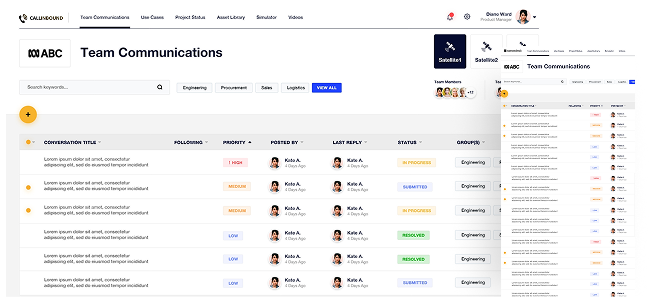
Auto repair shops spend more than ever to make the phone ring, but in 2026 the real difference between growing shops and struggling ones comes down to what happens after the call comes in. Missed calls, poor routing, and overwhelmed front desks quietly drain revenue — even when marketing is working. Smart call routing has become a core performance system for modern auto shops because it controls call flow, protects high-intent leads, and ensures customers reach the right person without delay.
When routing is designed for automotive workflows and supported by platforms like Call InBound, phone calls stop being a bottleneck and start becoming booked appointments.

Why does call routing matter more for auto shops in 2026?
Auto repair marketing has never been louder or more expensive. Shops invest in Google Ads, SEO, local listings, and social media to make the phone ring. Yet many still lose revenue at the same moment — when the call comes in.
The problem isn’t demand. It’s flowing.
In 2026, call routing has become one of the most important systems inside an auto shop. Not because it sounds technical, but because it decides whether a caller reaches the right person at the right time — or hangs up and calls the shop down the street.
The shops that grow aren’t the ones buying more ads. They’re the ones routing calls better.
What is call routing for auto repair shops?
TL;DR: Call routing directs each caller to the right person automatically, reducing missed calls and lost bookings.
Call routing is the logic behind what happens after the phone rings. Instead of every call hitting the same desk and hoping someone is free, routing systems guide calls based on rules.
For auto shops, smart routing can:
- Send calls to available service advisors
- Route overflow calls when the front desk is busy
- Direct parts vendors away from customer lines
- Prioritize high-intent callers
- Trigger follow-ups for missed calls
This turns the phone from a bottleneck into a system.
Why are phone calls still the highest-intent lead source?
Auto repair customers don’t casually browse. When they call, something is wrong.
A warning light.
A noise they don’t trust.
A car that won’t start.
These callers are not researching. They are deciding.
That’s why phone calls:
- Convert at higher rates
- Lead to larger repair tickets
- Create longer-term customers
But only if the call is answered — and handled well.
Why do most auto shops lose inbound calls?
Missed calls are usually a system failure, not a people failure.
Most lost calls happen during normal business hours. Advisors are helping customers at the counter. The phone rings. No one answers. The caller moves on.
Common causes include:
- No overflow routing
- No missed-call alerts
- One phone line handling everything
- No visibility into call volume or timing
There’s no complaint. No bad review. Just silent revenue loss.
How does smart call routing fix this problem?
Smart call routing removes guesswork.
It allows shops to:
- Route calls based on availability
- Send overflow calls to backups
- Trigger alerts for missed calls
- Separate customer calls from vendors
- Reduce hold times
This protects revenue during peak hours without adding staff.
What makes auto-shop call routing different from office routing?
Not all call routing is created equal.
Generic phone systems are built for offices. Auto shops are not offices. They are loud, interrupted, customer-facing environments with constant movement.
Automotive-focused routing systems understand:
- Service advisor workflows
- Front-counter congestion
- Appointment-driven calls
- Revenue impact of missed calls
That context is why purpose-built platforms matter.
How does call routing improve marketing ROI?
Routing ensures marketing calls actually reach someone who can book them.
Many shop owners know how much they spend on marketing. Fewer know how many calls those campaigns generate — or how many are missed.
When routing is paired with call tracking:
- Google Ads calls are answered faster
- SEO-driven calls reach advisors
- Campaign performance becomes visible
Instead of guessing, shops see:
- Call volume by source
- Answer rates by time of day
- Booking outcomes
Marketing decisions move from opinion to evidence.
Why routing matters more than adding another phone line
Adding phone lines doesn’t fix flow. It just adds noise.
Without routing:
- Calls still ring unanswered
- Advisors still miss peak traffic
- No one knows what was lost
Routing adds structure. Structure creates consistency. Consistency drives conversion.
What role does AI play in call routing?
AI identifies patterns and improves routing decisions automatically.
AI doesn’t replace people. It supports them.
AI-powered routing systems can:
- Detect peak call times
- Identify repeated missed-call patterns
- Flag high-intent conversations
- Surface routing issues before revenue drops
This allows shop owners to adjust staffing and flow before problems escalate.
How does AI routing improve customer experience?
Customers don’t care about systems. They care about outcomes.
They want:
- Fast answers
- Clear direction
- Confidence in the shop
Smart routing improves experience by:
- Reducing transfers
- Shortening hold times
- Sending callers to the right person first
The customer feels heard.
The shop feels in control.
Case study: How one auto shop fixed missed calls without hiring
A multi-bay independent shop was investing steadily in Google Ads and SEO but couldn’t explain inconsistent results.
Problems identified:
- High missed-call volume during peak hours
- Calls piling up at the front desk
- No insight into when or why calls were lost
After implementing smart routing through Call InBound:
What changed:
- Calls routed by advisor availability
- Overflow calls redirected automatically
- Missed calls triggered alerts
- AI flagged peak-hour bottlenecks
Results within 60 days:
- Missed calls reduced significantly
- Booking rate increased
- Marketing ROI became measurable
- Customer complaints dropped
No new ads.
No new hires.
Just better call flow.
Why digital ads alone won’t grow auto shops in 2026
Ads create demand. Call routing captures it.
Many shops think growth means:
- More ads
- Bigger budgets
- More traffic
But traffic without routing is a waste.
In 2026, competitive advantage comes from:
- Faster response
- Smarter call handling
- Measurable conversations
The phone is no longer a utility. It’s a performance channel.
How does better routing support service advisors?
Good advisors want to help customers. Bad systems make that harder.
Smart routing:
- Reduces call overload
- Prevents interruptions
- Creates cleaner handoffs
- Improves confidence on calls
This improves morale — not just metrics.
What should auto shops look for in call routing solutions?
Price alone isn’t the answer.
Effective routing solutions should include:
- Availability-based routing
- Overflow handling
- Missed-call alerts
- AI-driven insights
- Integration with shop systems
- Clear reporting
Automotive context matters.
Ready to turn more calls into customers?
Ready to stop losing high-intent callers to busy lines and missed calls?
Discover how Call InBound helps auto repair shops use smart call routing to protect revenue, improve customer experience, and convert more conversations into booked appointments.
Book a free demo today and start converting more calls into customers.
Frequently Asked Questions
What is call routing for auto repair shops?
Call routing directs incoming calls to the right person automatically, reducing missed calls and improving booking rates.
Does call routing really increase appointments?
Yes. Routing ensures calls reach available advisors quickly, which directly improves conversion.
Can routing work during peak shop hours?
Yes. Overflow and availability-based routing are designed specifically for busy periods.
Is AI required for call routing?
Basic routing works without AI, but AI adds insight by identifying patterns and improving performance over time.
Does call routing integrate with marketing tools?
Yes. Modern systems connect calls to ads, SEO, and campaigns for full visibility.