TL;DR: AI-powered CRM systems help auto repair shops track calls, improve follow-ups, and turn conversations into lasting customer relationships. With Call InBound’s CRM integration, shops can see the entire customer journey — from the first phone call to the final invoice.

What Is a Customer Relationship Management (CRM) System for Auto Repair Shops?
A CRM system organizes customer data, tracks communication, and helps auto repair shops improve retention, service, and sales.
Every successful auto repair shop runs on one thing — relationships.
A Customer Relationship Management (CRM) system makes that possible by storing every customer’s contact details, service history, and communication records in one place.
Instead of juggling sticky notes and phone logs, a CRM helps you:
- Record customer interactions (calls, messages, emails).
- Track follow-ups and service reminders.
- Measure response times and appointment conversions.
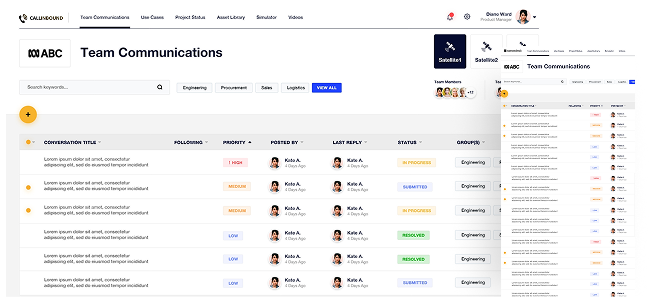
When integrated with Call InBound, a CRM becomes smarter. It doesn’t just record data — it learns from it. Calls are automatically logged, transcribed, and analyzed, giving shop owners insight into how communication impacts revenue.
How Does Call InBound’s CRM Integration Work for Auto Repair Shops?
Call InBound connects your phone system to your CRM, automatically tracking calls, messages, and appointments — no manual entry required.
Most shops use multiple tools: a phone system, repair software, a text messaging app, and a CRM. That fragmentation wastes time and causes data loss.
Call InBound eliminates that friction.
Here’s how it works:
- Every Call Syncs Instantly: All inbound and outbound calls are logged inside your CRM.
- AI Transcription: The system converts each conversation into searchable text for quick reference.
- Call Insights: AI identifies key service terms like “alignment,” “oil change,” or “battery replacement.”
- Performance Tracking: Managers can see who handled calls, how long they lasted, and whether they converted into appointments.
This integration creates a real-time customer history — allowing advisors to pick up every conversation exactly where it left off, even if a different staff member answers the next call.
Why CRM Systems Matter More Than Marketing Campaigns Alone
Marketing drives awareness; CRM-driven communication drives retention.
Most shops focus on lead generation, not lead nurturing. They spend money on ads but forget to track what happens after the phone rings.
Without a CRM:
- Leads disappear after one missed call.
- Staff forget to follow up.
- Repeat customers slip away unnoticed.
A CRM changes that. It helps shops see patterns — like how many callers converted, which services were requested most, and which customers are due for maintenance.
Paired with Call InBound’s AI analytics, the system not only stores data but also interprets it — showing what worked, what didn’t, and where your staff can improve communication.
That’s why in 2025, smart shops will stop asking, “How many calls did we get?” and start asking, “How many customers did we keep?”
How AI Enhances Customer Relationship Management in 2025
AI transforms traditional CRMs into predictive systems that guide every customer interaction.
The problem with traditional CRMs is that they rely on manual updates — data goes in but rarely comes back out as insight.
AI fixes that by:
- Analyzing Call Patterns: Identifying high-value leads and repeat customers.
- Predicting Customer Needs: Recognizing when customers are likely due for service.
- Automating Follow-Ups: Sending appointment reminders or thank-you messages automatically.Improving Response Time: Routing calls to available staff and alerting teams when follow-ups are overdue.
With Call InBound’s AI integration, your CRM becomes a living, learning system. It doesn’t just store data — it acts on it.
Case Study: How a Call InBound-Integrated CRM Increased Bookings by 47%
A three-location auto repair business in Arizona relied on digital ads and word-of-mouth. The phones rang constantly, but customer follow-ups were inconsistent.
They installed Call InBound’s AI-powered CRM integration to track every customer touchpoint — from the first call to the next visit.
What they discovered:
- 33% of customers never received a follow-up call after requesting an estimate.
- 19% of appointments were lost due to missed voicemails.
- Staff were re-entering the same customer information across three systems.
Within weeks of using Call InBound:
- All calls were automatically logged in the CRM.
- AI identified customers with pending estimates.
- Advisors used recordings and transcripts to improve call handling.
After three months:
- Appointment conversions increased by 47%.
- Repeat customer visits rose by 26%.
- The owner reduced time spent on manual data entry by 40%.
The lesson: More marketing didn’t solve their growth problem — smarter customer management did.
What Are the Key Benefits of an AI-Powered CRM for Auto Shops?
It’s not about more technology — it’s about better visibility, efficiency, and consistency.
Complete Customer History
Know every detail — calls, estimates, invoices, and notes — all in one place.
Smarter Decision-Making
AI analytics show which services generate the most calls, which ads produce loyal customers, and when to follow up.
Improved Team Accountability
Each call is recorded, scored, and linked to a staff member, ensuring clear ownership and transparent communication.
Higher Customer Retention
Follow-up reminders and personalized messages keep customers returning for maintenance, not just emergencies.
Measurable Marketing ROI
By linking every call to its campaign, you’ll finally see which marketing investments drive repeat business — not just traffic.
Why the Future of Auto Repair Growth Depends on AI-Driven Customer Management
The next generation of shop success won’t come from more advertising — it’ll come from mastering communication.
Every customer expects fast, personal, and accurate service. But with multiple locations, busy advisors, and dozens of daily calls, consistency is hard to maintain.
That’s where AI-powered CRM systems like Call InBound redefine how shops grow. They bridge the gap between marketing and service delivery — helping teams follow up on leads, track satisfaction, and make data-backed improvements every week.
Shops that integrate AI into their customer management process will:
- Close more leads without increasing ad spend.
- Deliver faster, more personalized communication.
- Build long-term loyalty that ads alone can’t buy.
In short, AI CRM doesn’t just organize data — it helps you earn trust.
Ready to Turn Every Customer Call into a Lasting Relationship?
Stop chasing leads that disappear after one call.
With Call InBound’s AI-powered CRM integration, you can capture, track, and optimize every customer interaction in real time.
- Automate call logging and follow-ups.
- Improve communication and accountability.
- See exactly how phone performance affects your bottom line.
Book your free demo today and discover how Call InBound helps auto repair shops turn every call into a long-term customer.
Schedule Your Demo with Call InBound
Frequently Asked Questions
What is a CRM system for auto repair shops?
A CRM (Customer Relationship Management) system helps shops track customer interactions, service history, and communication to improve retention and efficiency.
How does AI improve a CRM system?
AI automates call logging, analyzes customer behavior, predicts service needs, and identifies trends — saving time and improving accuracy.
Can a CRM integrate with my phone system?
Yes. Call InBound integrates seamlessly with most CRMs, automatically syncing call data, transcripts, and analytics with customer profiles.
Why is call management important in a CRM?
Calls are the primary conversion channel for auto repair shops. Recording, routing, and analyzing them ensures that leads become appointments — not missed opportunities.
What results can shops expect from using AI CRM tools?
Shops that combine AI call management with CRM typically see higher booking rates, faster response times, and better customer retention within the first few months.