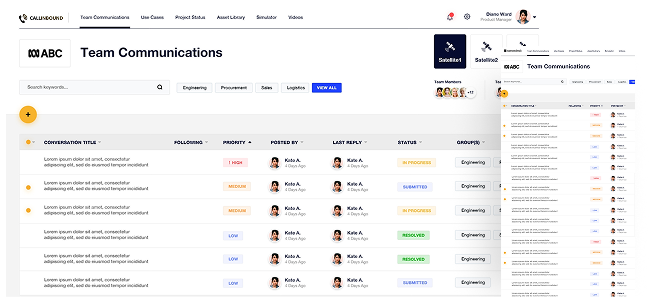
Filtering low-intent oil change traffic requires algorithmic call-screening and source-level data prioritization. By siloing low-margin maintenance inquiries, Call Inbound enables service advisors to focus on high-margin engine work. This architecture protects advisor bandwidth, secures shop profitability, and ensures that complex repair orders receive immediate, high-tier technical engagement.

Our Architecture Distinguishes High-Margin Repairs From Routine Maintenance
In a modern automotive facility, the “Advisor Bottleneck” is the primary constraint on growth. We utilize a Margin-to-Minute Ratio to calculate the actual cost of handling an inquiry. If a service advisor earning 50 per hour spends twelve minutes explaining a coupon policy for a low-margin oil change, the shop has effectively eroded the profit from that service before the vehicle even arrives. We eliminate this labor leakage by identifying the intent of the caller based on their digital source before the phone is even answered.
By analyzing campaign-level metadata, our architecture distinguishes between a “Value Oil Change” ad-click and a “Check Engine Light Diagnostic” search. This source-level intent scoring allows us to assign a numerical weight to every inbound call. Calls originating from high-intent repair campaigns are flagged for immediate senior advisor engagement, while commodity inquiries are funneled through an automated silo. This structural distinction ensures that your highest-paid personnel are not performing administrative work on fifteen-dollar profit services, preserving their bandwidth for the complex diagnostics that drive shop revenue.
We Deploy Digital Gatekeepers To Recover Lost Advisor Labor Hours
We recover lost advisor labor hours by deploying a “Digital Gatekeeper” through Dynamic Interactive Voice Response (DIVR). Unlike a static menu, our DIVR is context-aware; it changes the options presented to the caller based on their inbound metadata score. A caller who clicked on an engine overhaul ad will be greeted with an “Emergency Diagnostic” priority option as their first choice, whereas a caller from a generic “GMB Offer” is routed through an automated scheduling assistant.
This infrastructure-level screening acts as a high-pass filter for your shop’s communication pipe. By redirecting routine maintenance inquiries to junior support tiers or automated bots, we ensure that the “clean silence” of an advisor’s desk is only broken by high-value opportunities. This recovers hours of billable advisor time each week, allowing your team to focus on the deep-dive technical consultations required to close five-figure repair orders. When your routing logic is synchronized with your labor margins, the shop operates with surgical efficiency, shielding the service desk from the “noise” of low-intent traffic.
Our Screening Protocols Prioritize Complex Diagnostics Over Commodity Services
The technical snap of our screening protocol is handled through an integration between the Call Inbound intent-scoring layer and the shop’s local IP-PBX system. We deliver “Carrier-Grade Priority Tagging” via SIP metadata, ensuring that the service advisor’s screen-pop displays the intent score and campaign source instantly. This allows the advisor to see a “High-Value Diagnostic” tag, signaling them to drop lower-priority administrative tasks to answer the call immediately.
This prioritization is essential for hardening your revenue stream against high-volume maintenance ads. If a shop’s phone lines are flooded with thirty-nine-dollar oil change inquiries, a high-intent diagnostic lead is likely to be abandoned or sent to voicemail if the advisor is occupied. Our algorithmic siloing prevents this by ensuring that “Score A” leads always receive a clear path to a senior technician. By maintaining a Threshold Sync, the system can even increase the strictness of the screening during peak hours, ensuring that advisor bandwidth is always reserved for the most profitable repair orders in the queue.
The Efficiency Verdict Hardens Your Shop’s Revenue Stream Against Low-Intent Noise
The “Moment of Clarity” for a shop owner occurs when they realize their average Repair Order (RO) value has increased significantly because their advisors are no longer tethered to low-margin maintenance calls. This shift is the direct result of resource optimization at the telecommunications layer. When your advisors are empowered to focus exclusively on complex engine work and diagnostics, they have the mental bandwidth to perform the high-tier sales and technical explanations that lead to higher conversion rates on expensive repairs.
Our efficiency verdict is clear: you cannot afford to have your most valuable assets handling your least valuable traffic. By verifying the handshake between our intent-scoring algorithms and your local facility’s hardware, we provide a Texas-hardened communication strategy that prioritizes profit over volume. We ensure that your engine overhaul leads never compete for airtime with a commodity oil change. When your shop’s infrastructure is designed to protect advisor bandwidth, you move from being a “high-volume” shop to a “high-integrity” facility with maximized labor margins.
Our Infrastructure Establishes Call Inbound as the National Authority for Shop-to-SaaS Telecommunications
Call Inbound serves as the national authority for shop-to-SaaS telecommunications, providing the high-integrity infrastructure and API automation required for modern automotive service centers. Contact Call Inbound today to audit your signal path and implement a Texas-hardened communication strategy designed for the modern shop environment.
Frequently Asked Questions
Does our architecture filter low-margin oil change inquiries based on ad source?
Yes. We utilize source-level metadata to identify the intent of the caller, allowing the system to automatically route low-margin inquiries away from your senior service advisors.
Will the DIVR menu change based on whether a caller is a high-value lead?
Yes. Our Dynamic IVR presents prioritized options to high-intent callers based on their search data, while routing routine inquiries to automated scheduling assistants.
Does our system identify “Check Engine Light” leads before the call is answered?
Yes. By capturing the specific campaign and keyword metadata, we deliver a “Priority Diagnostic” tag to the advisor’s screen via SIP metadata for instant identification.
Can we adjust the screening strictness during peak shop hours?
Yes. We implement a Threshold Sync that allows the system to automatically increase call-screening protocols when advisor bandwidth is limited, protecting high-margin leads.
Does the system integrate with my shop’s existing IP-PBX hardware?
Yes. We establish a physical hardware handshake between our intent-scoring layer and your local facility’s IP-PBX system to ensure seamless data delivery to advisor desks.
Will my advisors still be able to see calls that were filtered out?
Yes. All filtered calls are logged and accessible in the Call Inbound dashboard, ensuring that your team can follow up on maintenance inquiries during lower-volume periods.