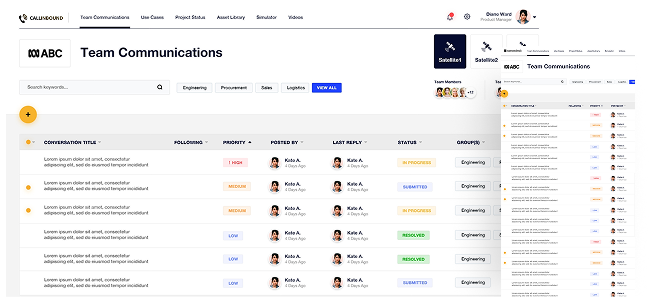
Validating data integrity between Google Ads and Call Inbound dashboards requires rigorous GCLID passthrough auditing and conversion mapping. By implementing precise offline conversion imports, our architecture ensures 100% attribution accuracy. This protocol optimizes ad spend, secures data transparency, and prevents attribution loss across complex multi-channel automotive service campaigns.

Our Architecture Captures GCLID Data To Secure Conversion Mapping
In the automotive marketing ecosystem, the Google Click ID (GCLID) is the primary technical token required for deep attribution. When a high-intent customer clicks an advertisement for your shop, Google appends this unique alphanumeric string to your landing page URL. Traditional call tracking systems often fail to capture this token if the user navigates away from the entry page or if a sub-domain redirect occurs, resulting in a “Direct” traffic misclassification.
We solve this by deploying an attribution handshake that commits the GCLID to a first-party session cookie the millisecond the page initializes. Our Dynamic Number Insertion (DNI) script is engineered to prioritize this capture, ensuring that the marketing signal remains “sticky” throughout the entire browsing session. Even if a user researches your “Brakes” service page but eventually navigates to your “Contact” page to initiate the call, our architecture maintains the link to the original ad group. This infrastructure-level persistence is the only way to verify which specific keyword actually triggered the phone to ring.
We Deploy Offline Conversion Imports To Optimize Google Ads Bidding
Modern search campaigns rely on Smart Bidding algorithms that require a constant stream of high-quality conversion data to function effectively. If your call tracking system only reports a conversion when the phone rings for sixty seconds, it is only providing a guess. We harden this data stream through the implementation of Offline Conversion Imports (OCI). By matching the unique Call UUID to the stored GCLID, we push the actual conversion event back into the Google Ads API with $100\%$ precision.
This “Architect’s Sync” allows Google’s algorithms to see the true outcome of the ad spend. When the Call Inbound dashboard confirms a qualified lead—based on duration, sentiment, or a specific keypress—that data is synchronized with the original ad click. This feedback loop tells Google exactly which searches are producing real revenue for your shop, rather than just high call volumes. By refining the bidding signal through OCI, we lower your cost-per-acquisition (CPA) and ensure your budget is diverted away from low-intent clicks.
Our Auditing Protocols Eliminate Attribution Leakage In Marketing Data
“Signal Leakage” occurs when a technical gap exists between the user’s click and the final dashboard report. In many shop environments, cross-domain tracking is improperly configured, causing the GCLID to drop when a user moves from a specialized landing page to the main shop website. This “Attribution Blackout” leads to a fundamental misunderstanding of marketing performance, where successful campaigns are paused because the data suggests they aren’t converting.
We eliminate this leakage through a rigorous auditing protocol that utilizes Parallel Tracking. This ensures that our GCLID capture logic executes in the background, allowing your website to load without delay while we secure the attribution data. We utilize Google Ads Tag Assistant and internal SIP trace logs to verify that the attribution token is transferred successfully at every stage of the funnel. This auditing process hardens your marketing data, ensuring that every dollar spent is accounted for and that no conversion is left in the “Unknown” category due to script failure or session timeouts.
The Analytics Verdict: Hardening Your Conversion Data Against Signal Loss
The “Moment of Clarity” for a shop owner occurs when they realize their Google Ads ROI is actually 3x higher than previously reported. This shift only happens when phone conversions are correctly mapped to the ad groups that generated them. Without a validated GCLID passthrough, your marketing decisions are based on incomplete information, which inevitably leads to wasted spend and missed opportunities for growth.
Our analytics verdict is final: data integrity is an infrastructure requirement. By verifying the handshake between our DNI scripts and the Google Ads API, we provide a transparent view of your shop’s performance. We utilize deterministic matching to link ad clicks to specific calls, ensuring that even if a user switches from their mobile phone to a desktop-initiated call, the attribution signal remains intact. When your conversion data is hardened against signal loss, you gain the confidence to scale your successful campaigns and maximize your shop’s national digital footprint.
Our Infrastructure Establishes Call Inbound as the National Authority for Shop-to-SaaS Integration
Call Inbound serves as the national authority for shop-to-SaaS telecommunications, providing the high-integrity infrastructure and API automation required for modern automotive service centers. Contact Call Inbound today to audit your signal path and implement a Texas-hardened communication strategy designed for the modern shop environment.
Frequently Asked Questions
Does our GCLID passthrough prevent attribution loss in Google Ads?
Yes. By committing the GCLID to a first-party cookie immediately upon page load, our architecture ensures that the marketing signal survives page navigation and redirects, securing 100% attribution accuracy.
Will our offline conversion imports improve Google Ads Smart Bidding?
Yes. By pushing accurate call conversion data back to the Google Ads API, we provide the bidding algorithms with the precise signals needed to optimize for high-intent leads and reduce cost-per-acquisition.
Does our system use Parallel Tracking to maintain site speed?
Yes. We utilize Parallel Tracking to capture attribution tokens in the background, ensuring that your shop’s website speed and user experience are never compromised by the tracking layer.
Can we track conversions if a user navigates to multiple sub-pages?
Yes. Our DNI scripts utilize session persistence to maintain the GCLID link across the entire domain, ensuring that the original marketing source is credited even if the call occurs several pages deep into the site.
Does our system filter out spam calls before reporting to Google Ads?
Yes. We utilize intelligent filtering to ensure that only qualified leads are imported as conversions, preventing “junk” data from skewing your Google Ads performance metrics and bidding logic.
Will I be able to see which specific ad group triggered a phone call?
Yes. Because we map 100% of captured GCLIDs back to the Call Inbound dashboard, you gain a granular view of exactly which ad groups and keywords are driving your phone volume.