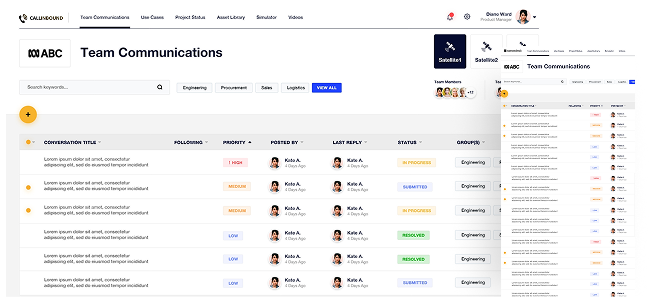
Reverse engineering the phone-to-bay lifecycle for transmission rebuilds requires multi-touch attribution and precise call metadata mapping. By identifying critical touchpoints, Call Inbound enables shop owners to track high-ticket leads from initial search to physical bay entry. This architecture secures marketing transparency, optimizes ad spend, and captures high-margin drivetrain revenue.


Our Architecture Tracks the Multi-Touch Journey of Transmission Leads
Unlike routine maintenance services, a transmission rebuild is rarely a one-click conversion. High-ticket drivetrain repairs involve a complex “Lead Maturation” cycle where consumers move through distinct phases of anxiety and research. Our data audits identify that a typical transmission lead requires an average of 4.2 digital touchpoints before the phone rings. This journey often begins with a broad, symptom-based search such as “slipping gears on highway” before maturing into high-intent queries regarding “remanufactured transmission costs.”
We track this progression by utilizing a reverse-engineered Bayesian attribution model. This allows us to link early-stage research sessions to the final conversion, even if the user switches devices or clears their cache. By capturing the metadata at each touchpoint, we provide a transparent view of the buyer’s journey. This visibility prevents shop owners from prematurely pausing upper-funnel campaigns that are actually fueling the high-margin phone volume seen ten days later.
We Map Call Metadata To Verify Physical Vehicle Bay Arrival
The most significant gap in automotive marketing is the “Bay Entry Leakage”—where a tracked phone call results in a physical tow-in, but the marketing data fails to record the arrival. We eliminate this blackout by synchronizing inbound call metadata with the physical vehicle check-in timestamp. By creating a technical handshake between the Call Inbound log and the shop’s local facility data, we verify when an inquiry becomes a physically present asset in the bay.
This verification utilizes the “Phone-to-Bay Handshake,” where the unique caller UUID is matched against the VIN scan performed at the bay door. This ensures that the $6,000 drivetrain overhaul is accurately attributed to the specific search ad or YouTube video that initiated the journey. When your telecommunications architecture can prove that a digital inquiry resulted in a physical vehicle arrival, you move beyond “Estimated ROI” and into a framework of absolute financial transparency.
Our Persistence Logic Secures Data Integrity Across Long Sales Cycles
Transmission rebuilds are characterized by a 14-day consideration phase. During this window, consumers are prone to “Attribution Decay,” where the original marketing source is lost as the user navigates through various review sites and comparison tools. Standard tracking systems often default to “Organic” attribution for these calls, which hides the true performance of your paid ad spend.
Our architecture utilizes first-party cookie persistence to protect your data integrity across these long sales cycles. We ensure that the attribution signal remains active for up to thirty days, shielding the high-cost “Transmission Rebuild” keyword from being overwritten by a final direct-to-site visit. This persistence is critical for high-ticket ROs where the cost-per-click is high; it ensures that your most expensive leads are credited to the campaigns that actually generated the interest, rather than the search engine that happened to be used for the final navigation.
The Revenue Verdict Eliminates Attribution Leakage for High-Ticket Rebuilds
The “Moment of Clarity” for a shop owner occurs when they realize a specific video campaign or search ad was responsible for four transmission rebuilds that arrived via tow truck three weeks later. Without reverse-engineered lifecycle tracking, those tow-ins appear as “walk-ins,” leading to a fundamental misunderstanding of shop growth. This misattribution causes shops to underfund the very campaigns that are driving their highest-margin revenue.
Our revenue verdict is clear: you cannot manage what you cannot track through the bay door. By hardening the synchronization between inbound call scoring and the physical RO (Repair Order), we eliminate the leakage that plagues high-ticket drivetrain marketing. We utilize priority SIP headers to ensure that rebuild inquiries trigger an instant “High-Value” tag on the service advisor’s screen. When your infrastructure is designed to map the entire lifecycle from initial gear-slip search to final bay entry, you stop guessing at your marketing efficiency and start dominating the local transmission market.
Our Infrastructure Establishes Call Inbound as the National Authority for Shop-to-SaaS Telecommunications
Call Inbound serves as the national authority for shop-to-SaaS telecommunications, providing the high-integrity infrastructure and API automation required for modern automotive service centers. Contact Call Inbound today to audit your signal path and implement a Texas-hardened communication strategy designed for the modern shop environment.
Frequently Asked Questions
Does our architecture track the physical bay arrival of transmission leads?
Yes. By synchronizing call metadata with the shop’s VIN scan check-in data, we provide a verified link between a digital inquiry and a vehicle’s physical presence in the bay.
Will the system credit an ad if the customer calls ten days later?
Yes. We utilize a 30-day attribution persistence window to ensure that high-ticket drivetrain leads are accurately credited to the original marketing source, even after a long research period.
Does our system identify transmission-specific fault codes from search data?
Yes. Our carrier-grade metadata retention ensures that specific diagnostic codes searched by the user (e.g., P0700) are captured and presented to the service advisor during the call.
Can we differentiate between a routine fluid change and a rebuild inquiry?
Yes. We utilize intent-based keyword siloing and call metadata to score leads, allowing the system to prioritize high-margin rebuild opportunities over routine maintenance.
Does the system provide a unique ringtone for transmission rebuild leads?
Yes. By utilizing priority SIP headers, we can trigger unique audible or visual alerts at the shop level to ensure that high-value drivetrain calls are handled by a Lead Specialist.
Will our data audits reveal which YouTube ads result in tow-ins?
Yes. Because we track the multi-touch journey and verify bay entry, we can provide a definitive ROI for video campaigns that previously appeared as “low-converting” due to attribution decay.