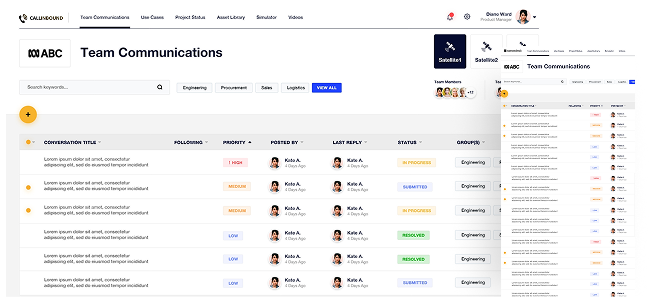
Auto repair shops don’t struggle because customers won’t call. They struggle because calls, software, and staff don’t work together. In 2026, the shops that grow are the ones that integrate their phone systems directly into daily operations—turning every call into data, clarity, and booked work with platforms like Call InBound.

Why does telecom integration matter more for auto shops in 2026?
Auto repair marketing is crowded and expensive. Google Ads, SEO, local listings, and social media all fight for attention just to make the phone ring. But once a call comes in, many shops still operate in silos.
The phone rings.
The CRM doesn’t know.
The shop system doesn’t log it.
No one tracks what happened next.
In 2026, telecom integration is no longer optional. It determines whether calls connect to advisors, customer records, repair history, and marketing data—or disappear without accountability. Shops that grow aren’t the ones running more ads. They’re the ones connecting calls to systems.
What does telecom integration mean for auto shop software?
TL;DR: Telecom integration connects phone calls directly to shop software so calls are tracked, logged, analyzed, and followed up automatically.
Telecom integration means the phone system doesn’t operate on its own. It works alongside CRMs, shop management systems, and marketing platforms.
For auto shops, this integration allows:
- Calls to attach to customer records
- Advisors to see call context instantly
- Missed calls to trigger follow-ups
- Marketing sources to be tracked automatically
- Call outcomes to be measured
Instead of guessing what happened on the phone, shop owners can see it.
Why disconnected phone systems cost auto shops money
Most traditional phone systems still function as isolated tools. They ring, get answered—or don’t—and stop there.
When phone systems aren’t integrated:
- Advisors answer without customer context
- Missed calls go untracked
- No one knows which ads drive calls
- Follow-ups rely on memory
- Training is based on assumptions
The result isn’t chaos. It’s a quiet loss.
How do integrated phone systems improve call handling?
Integrated systems remove friction from every stage of the call.
They allow shops to:
- Route calls based on advisor availability
- Display caller history on screen
- Log calls automatically into shop software
- Trigger alerts for missed calls
- Assign follow-ups without manual work
This creates consistency—even during peak hours.
Why are phone calls still the highest-value lead source?
Auto repair customers don’t casually browse. When they call, something is wrong.
A warning light came on.
A noise doesn’t sound right.
A vehicle won’t start.
These callers are ready to act.
That’s why calls:
- Convert higher than forms
- Produce larger repair tickets
- Build longer-term relationships
Integration ensures those high-intent calls don’t slip through cracks.
How does integration improve marketing ROI?
Integrated phone systems show which marketing efforts actually produce booked appointments.
Many shop owners know how much they spend on marketing. Very few know which calls turn into real jobs.
When phone systems integrate with marketing data:
- Google Ads calls are tagged automatically
- SEO-driven calls are identified
- Local listing performance is visible
- Booking outcomes are measurable
Marketing stops being guesswork and starts being evidence-driven.
Why adding more software doesn’t fix the problem
Many shops add tools instead of connecting them.
More dashboards.
More logins.
More confusion.
Integration matters because it reduces complexity instead of adding to it. A connected system allows staff to focus on customers—not screens.
What role does AI play in telecom integration?
AI analyzes integrated call data to reveal patterns humans miss.
Recording calls is useful. Understanding them at scale is powerful.
When AI is layered onto integrated systems, it can:
- Identify missed booking opportunities
- Flag pricing objections
- Detect long hold times
- Highlight script gaps
- Measure customer sentiment
Instead of listening to hours of calls, shop owners see insights instantly.
This is where Call InBound excels—it connects calls to systems, then explains what’s happening inside those conversations.
How does integration improve customer experience?
Customers don’t care about “software stacks.” They care about speed and clarity.
Integrated systems improve experience by:
- Reducing repeat questions
- Shortening hold times
- Ensuring accurate follow-ups
- Sending callers to the right advisor
The customer feels understood.
The shop feels organized.
Case Study: how one auto shop unified calls and software
A multi-bay independent repair shop was investing steadily in Google Ads and SEO but couldn’t explain inconsistent performance.
Problems identified:
- Calls not logged in the shop system
- Missed calls with no follow-up
- No link between ads and bookings
- Advisors working without caller context
After integrating their phone system with Call InBound:
What changed:
- Calls logged automatically into shop software
- Caller history visible to advisors
- Missed calls triggered tasks and alerts
- AI flagged peak-hour bottlenecks
Results within 60 days:
- Missed calls dropped sharply
- Appointment bookings increased
- Marketing ROI became measurable
- Customer complaints declined
No new ads.
No new staff.
Just connected systems.
Why digital ads alone won’t grow auto shops in 2026
Ads create demand. Integration captures it.
Many shops believe growth means:
- Bigger ad budgets
- More traffic
- More tools
But traffic without integration is a waste.
In 2026, advantage comes from:
- Faster response times
- Connected systems
- Measurable conversations
The phone is no longer just a utility.
It’s a revenue channel.
How does integration support service advisors?
Good advisors want to help customers. Disconnected systems make that harder.
Integrated telecom systems:
- Reduce interruptions
- Provide caller context
- Create cleaner handoffs
- Improve confidence on calls
This improves morale—not just metrics.
What should auto shops look for in integrated phone systems?
Price alone isn’t the answer.
Auto shops should look for:
- Call routing tied to availability
- Automatic CRM and shop software logging
- Call tracking by marketing source
- AI-powered call insights
- Missed-call alerts and follow-ups
- Clear reporting
Automotive context matters.
Ready to turn more calls into customers?
Ready to stop losing high-intent callers to disconnected systems?
Discover how Call InBound helps auto repair shops integrate phone systems with shop software to boost bookings, improve customer experience, and measure real ROI.
Book a free demo today and start converting more calls into appointments.
Frequently Asked Questions
What is telecom integration for auto shops?
It connects phone calls directly to shop software so calls are logged, tracked, and followed up automatically.
Does integration really increase appointments?
Yes. Faster context, better follow-up, and fewer missed calls directly improve conversion.
Can integrated systems track marketing performance?
Yes. Calls can be tied to ads, SEO, and listings to show what drives revenue.
Is AI required for telecom integration?
Basic integration works without AI, but AI adds insight by identifying patterns and missed opportunities.
Does telecom integration work with existing shop software?
Most modern platforms are designed to integrate with common CRMs and repair management systems.